The Art, Design, and Timeless Beauty Behind Every Fragrance
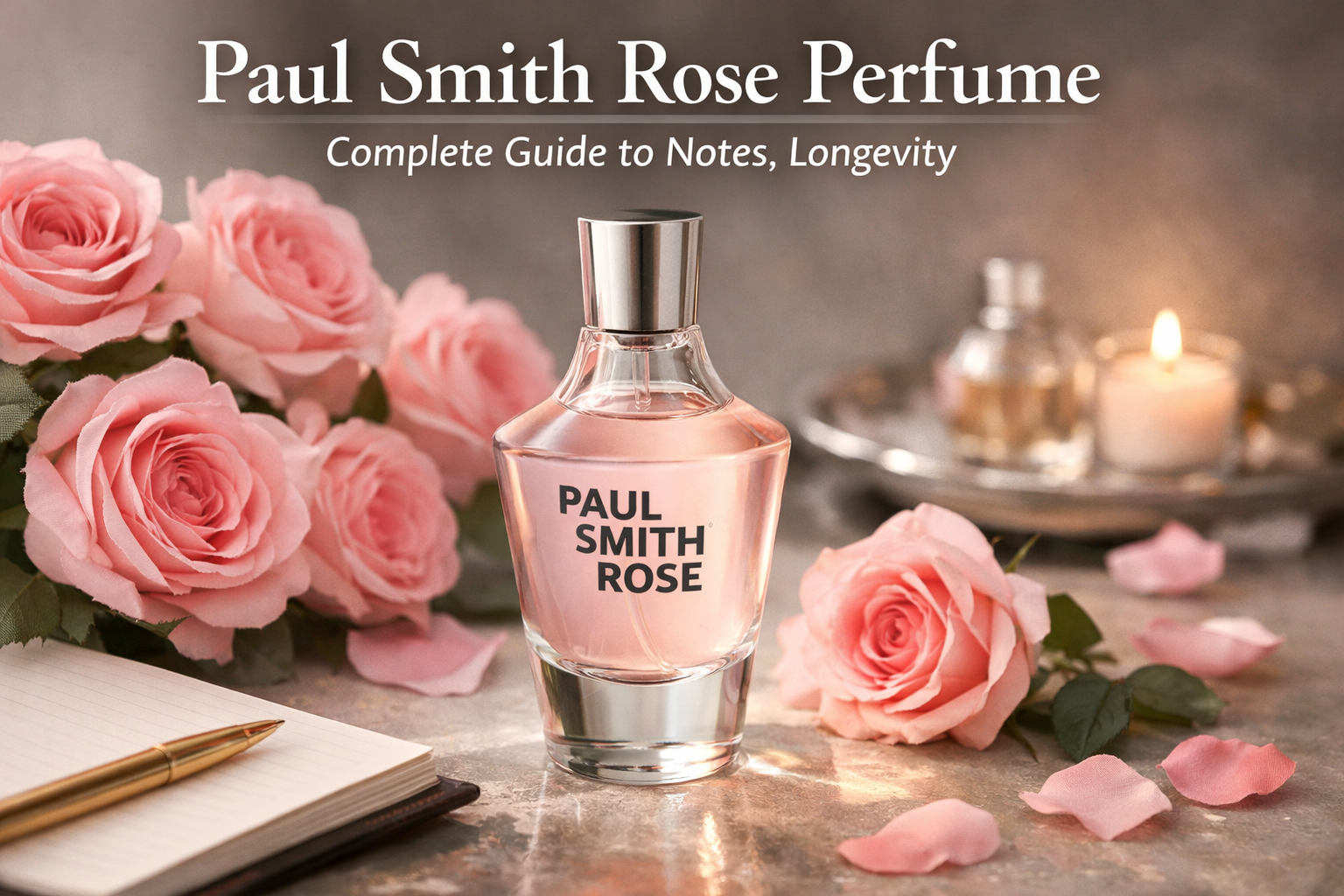
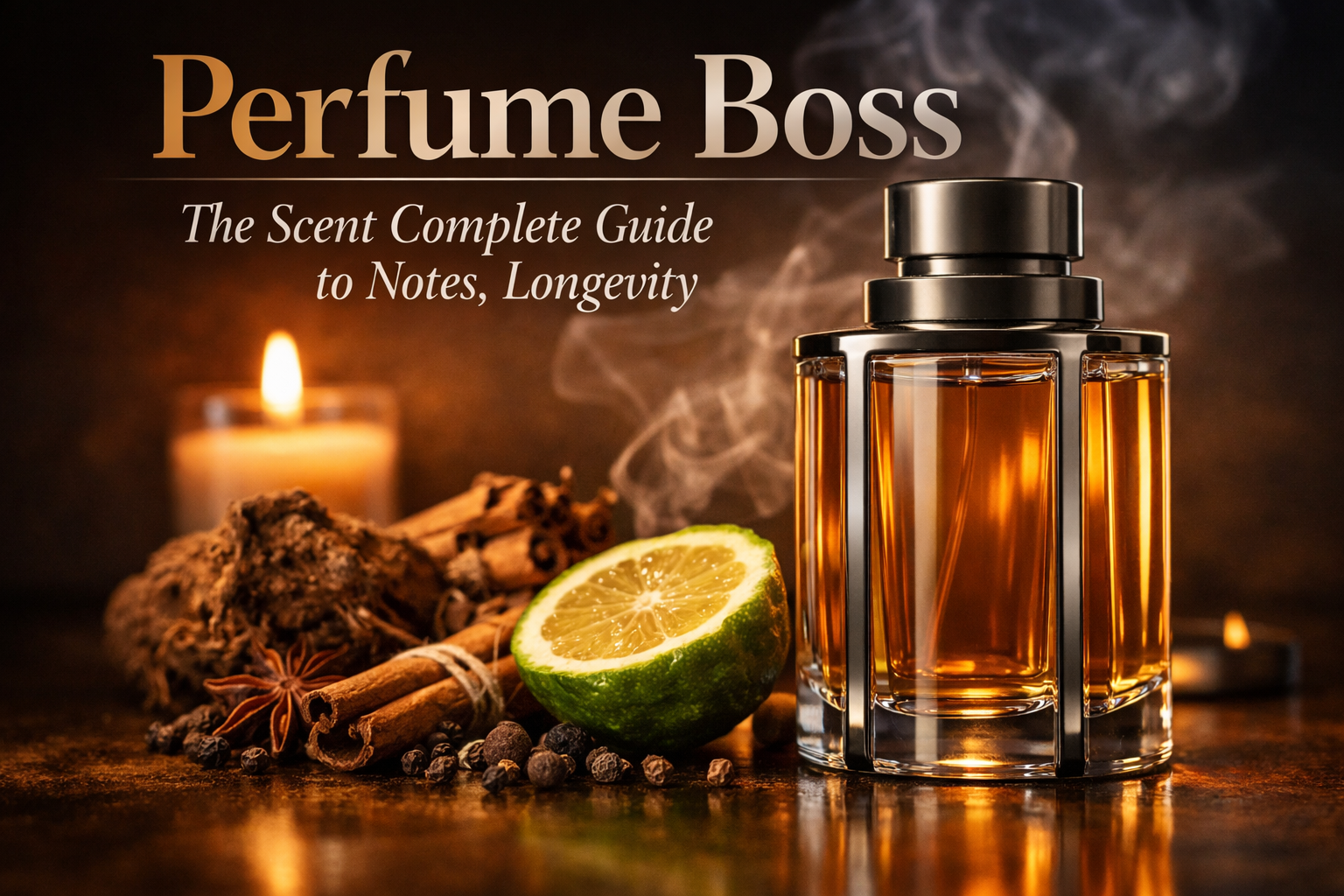
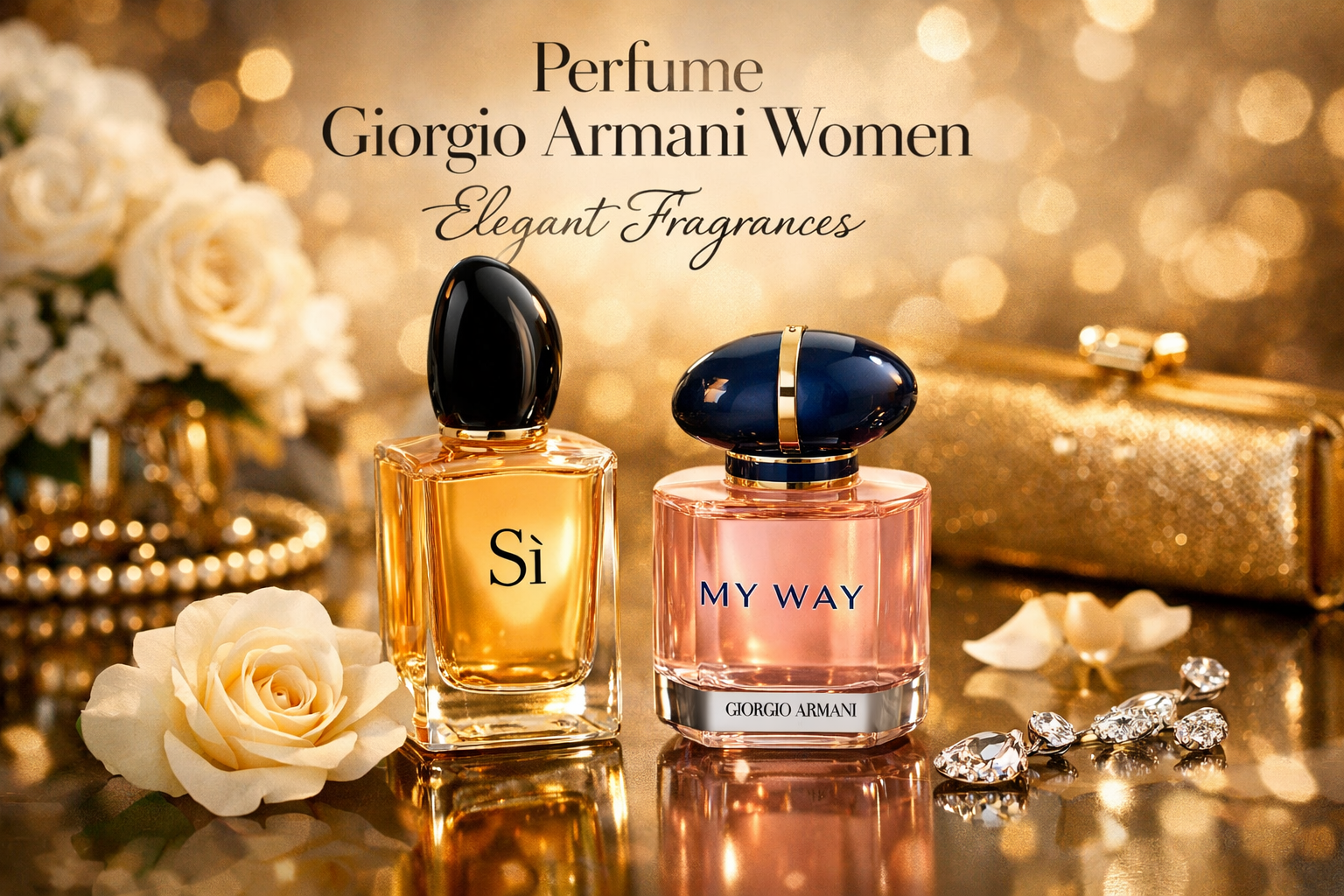
Fragrance is invisible, yet the object that holds it is often unforgettable. Before you even experience the scent, your eyes are drawn to the shape, color, and design of the bottle resting on a shelf. Perfume bottles are far more than containers. They are miniature works of art, storytellers of luxury, and reflections of personality.
From antique crystal flacons to sleek modern glass designs, these vessels have evolved alongside fashion and culture. The bottle is the first promise of what lies inside. It suggests romance, mystery, elegance, or boldness before a single spray touches your skin.
In this comprehensive guide, we will explore the history, materials, design evolution, practical uses, and collecting value of perfume bottles, while helping you understand why they hold such fascination across generations.
The History of Perfume Bottles
The story of perfume bottles begins thousands of years ago. Ancient civilizations in Egypt, Mesopotamia, and Rome stored scented oils in clay jars and carved stone containers. These early vessels were simple but functional, designed to preserve precious aromatic oils.
As glassmaking techniques developed, especially during the Roman Empire, artisans began crafting more decorative flasks. By the Renaissance period, European glassmakers elevated perfume bottles into elegant pieces of craftsmanship. Crystal and hand-blown glass designs became symbols of wealth and refinement.
In the 19th and early 20th centuries, famous glass houses in France transformed perfume bottles into artistic masterpieces. During the Art Nouveau and Art Valaya perfume Deco movements, intricate designs, sculpted stoppers, and engraved details became highly sought after. These pieces are now treasured collectibles.
Today, modern perfume bottles blend advanced manufacturing with artistic vision, maintaining the delicate balance between beauty and practicality.
Why Design Matters in Fragrance Packaging
The design of plays a crucial psychological role. Before you smell a fragrance, you judge it visually. A heavy glass bottle suggests luxury. A minimalist design communicates modern sophistication. Soft curves hint at romance, while sharp edges imply boldness.
Brand identity is deeply connected to bottle design. The color of the glass, the shape of the cap, and the typography all contribute to storytelling. The bottle becomes an extension of the scent’s personality.
In many cases, consumers keep empty bottles because they are too beautiful to discard. This emotional connection demonstrates how powerful thoughtful design can be.
Materials Used in Perfume Bottles
The materials chosen for perfume bottles influence durability, aesthetics, and preservation.
Glass remains the most common material due to its non-reactive properties. It protects fragrance oils from contamination and preserves their quality over time. Clear glass allows customers to see the liquid color, while tinted glass protects against light exposure.
Crystal is often used for luxury editions. It adds weight, brilliance, and sophistication. Plastic components are sometimes incorporated into caps or spray mechanisms for functionality.
Metal accents provide structure and elegance, while decorative elements such as ribbons or engravings enhance visual appeal.
Each material serves both functional and artistic purposes.
Types of Perfume Bottle Designs
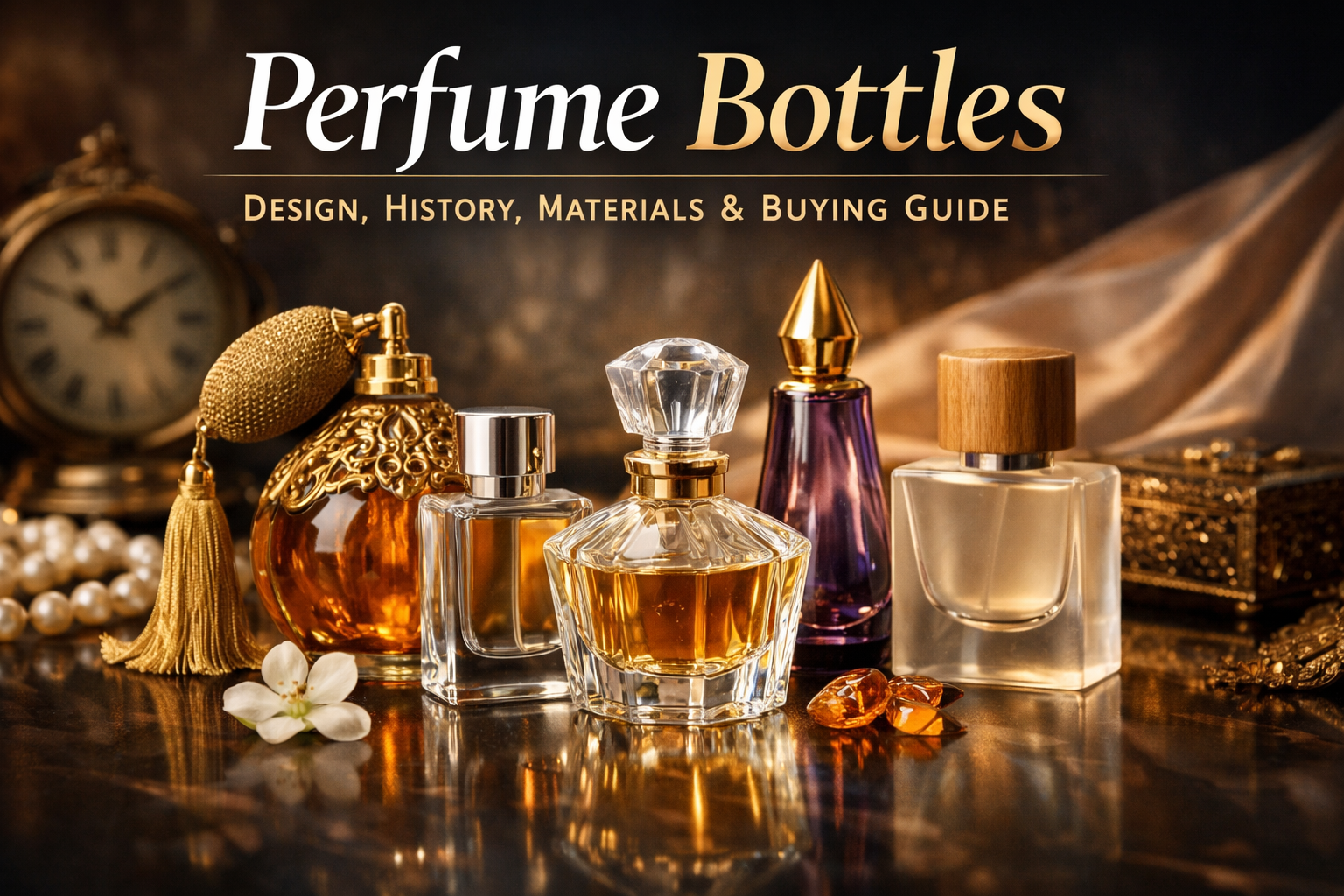
Over time, distinct design styles have emerged. Some bottles emphasize minimalism, focusing on clean lines and understated elegance. Others showcase ornate detailing and sculptural forms.
Certain common design categories include:
- Classic rectangular glass bottles with metallic caps
- Sculpted artistic shapes inspired by flowers or figures
- Vintage-style crystal flacons with decorative stoppers
- Minimalist cylindrical designs with modern typography
- Limited-edition collector bottles featuring engraved patterns
These variations reflect shifting trends in fashion and consumer preference.
How Perfume Bottles Protect the Fragrance
Beyond aesthetics, serve a critical function: preservation. Exposure to light, air, and temperature fluctuations can degrade fragrance quality. Properly designed bottles limit oxygen exposure and block harmful UV rays.
The spray mechanism also plays an important role. It disperses fragrance evenly while minimizing contact with air. Airtight seals prevent evaporation and maintain the integrity of delicate notes.
Storing perfume bottles in cool, dark places further extends the lifespan of the fragrance inside.
Collecting and Displaying Perfume Bottles
For many enthusiasts, collecting perfume bottles becomes a passionate hobby. Vintage designs, limited editions, and discontinued shapes often gain value over time.
Collectors appreciate craftsmanship, rarity, and historical significance. Some antique bottles fetch impressive prices at auctions due to their artistic value and condition.
When displaying perfume bottles, placement matters. Avoid direct sunlight to preserve both the fragrance and the glass color. Shelving with soft lighting enhances their visual appeal without causing damage.
A carefully arranged collection can transform a dresser into a personal gallery of scent history.
The Emotional Connection to Bottle Design
Fragrance is tied to memory, and the bottle often becomes part of that memory. Seeing a specific shape or color can instantly transport you to a particular moment in life.
Perhaps it was your first luxury purchase or a gift from someone special. The bottle becomes a physical reminder of that experience.
Perfume bottles hold sentimental value because they represent more than scent. They capture personal milestones, emotions, and identity.
Sustainability and Modern Innovation
In recent years, sustainability has influenced the design of perfume bottles. Many brands now explore refillable options to reduce waste. Refillable designs allow customers to reuse decorative bottles while purchasing fragrance refills separately.
Recycled glass and eco-friendly packaging materials are becoming more common. Lightweight designs reduce shipping emissions, and minimal outer packaging supports environmental responsibility.
Innovation continues to balance luxury with sustainability, shaping the future of perfume bottles.
How to Choose the Right Perfume Bottle for Gifting
When selecting a fragrance as a gift, the bottle design plays a major role. Elegant shapes with timeless appeal often feel safer for formal occasions. Playful or artistic bottles may suit younger recipients or creative personalities.
Consider the recipient’s style. Do they prefer minimalist décor or ornate elegance? A bottle that aligns with their taste enhances the gifting experience.
Presentation adds excitement. Beautiful packaging creates anticipation before the fragrance is even tested.
Caring for Your Perfume Bottles
Proper care extends both the fragrance and the bottle’s beauty. Keep bottles tightly sealed when not in use. Store them away from humidity, such as bathrooms, where temperature changes can affect the liquid inside.
Cleaning the exterior gently with a soft cloth maintains shine without scratching the glass. For collectible bottles, avoid harsh chemicals that could damage decorative elements.
Treating perfume bottles with care preserves their artistic and sentimental value.
The Evolution of Spray Mechanisms
Early perfume bottles relied on stoppers or dabbers. Modern designs incorporate atomizers that create a fine mist. This innovation ensures even application and reduces waste.
Some vintage bottles featured bulb atomizers with squeezable pumps. While charming, they were less airtight than modern spray systems.
Today’s technology focuses on precision and durability, enhancing both user experience and preservation.
Are Perfume Bottles Worth Collecting?
Many collectors view perfume bottles as miniature sculptures. Vintage pieces from specific eras, particularly Art Deco designs, hold strong resale value. Limited editions and discontinued shapes also attract interest.
Even contemporary bottles may gain value if they become rare over time. However, most collectors value aesthetic and sentimental enjoyment over financial return.
Collecting perfume bottles offers both artistic appreciation and personal satisfaction.
Frequently Asked Questions
1. Why are most perfume bottles made of glass?
Glass is non-reactive and helps preserve fragrance quality by preventing chemical reactions with the liquid inside.
2. How should perfume bottles be stored?
They should be kept in cool, dark places away from direct sunlight and humidity.
3. Are refillable perfume bottles better for the environment?
Yes, refillable designs reduce packaging waste and support sustainability efforts.
4. Do empty perfume bottles have value?
Some vintage or limited-edition bottles can hold collectible value, especially if they are in good condition.
5. Can sunlight damage perfume bottles?
Direct sunlight can degrade fragrance oils and fade colored glass over time.
Final Thoughts
Perfume bottles represent the perfect fusion of art and function. They protect delicate fragrances while offering visual beauty that enhances the entire sensory experience. From ancient clay containers to modern crystal designs, their evolution reflects cultural shifts, technological progress, and artistic ambition.
While trends in fragrance may change, the fascination with beautiful bottles remains constant. They hold memories, express identity, and add elegance to everyday rituals.
In the end, perfume bottles are not merely packaging. They are symbols of creativity, craftsmanship, and the enduring human desire to surround ourselves with beauty.